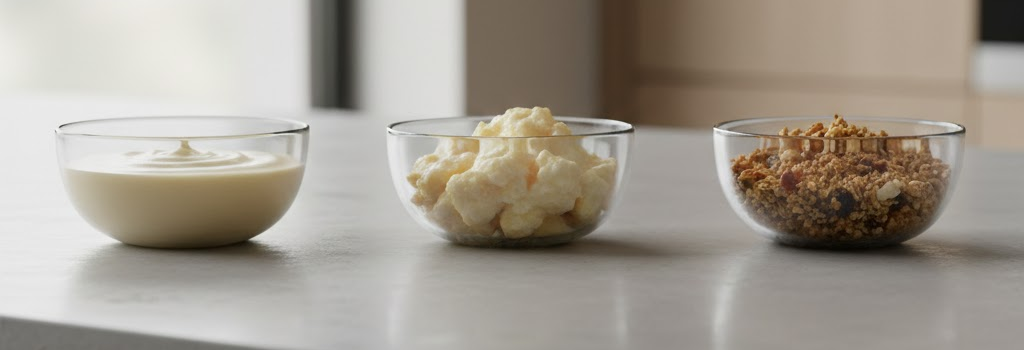
"It's too mushy." "It has chunks." "The skin is weird." "It's slimy."
If these phrases sound familiar, you're parenting a texture-sensitive kid. And you've probably realized that forcing them to "just try it" doesn't work when the texture itself triggers a genuine sensory response.
Understanding Texture Sensitivity
Texture sensitivity isn't pickiness—it's a sensory processing difference. For these kids, certain textures don't just feel unpleasant; they can feel genuinely intolerable or even trigger a gag reflex.
Common texture triggers include:
"Slimy" or slippery foods: Cooked spinach, some fruits, undercooked eggs
"Mushy" foods: Overcooked vegetables, certain beans, bananas
Mixed textures: Soup with chunks, yogurt with fruit pieces, stew
"Stringy" foods: Celery, some meats, mango
Foods with skin: Tomatoes, grapes, peppers, beans
"Grainy" textures: Some whole grain breads, certain fruits
Identifying Your Child's Texture Profile
Most texture-sensitive kids fall into a few categories:
The Crunchy Seekers
These kids prefer foods with a consistent crunch: crackers, chips, raw carrots, toast, pretzels, apples. They typically reject anything soft or mushy.
Good foods to try:
- Roasted vegetables (crispy, not soft)
- Air-fried proteins
- Raw veggies with dip
- Toasted everything
The Smooth Seekers
These kids want uniform, smooth textures: yogurt (no chunks), mashed potatoes, smoothies, pureed soups, pudding. They reject anything with pieces or variations.
Good foods to try:
- Blended soups (no chunks)
- Smooth peanut butter
- Hummus
- Well-blended smoothies
- Mashed anything
The Soft Food Lovers
Similar to smooth seekers, but okay with some soft textures that aren't perfectly uniform: pasta, bread, pancakes, soft fruits.
Good foods to try:
- Pasta with smooth sauce
- Soft scrambled eggs
- Steamed rice
- Soft bread
The Texture Avoiders
These kids have an extremely limited texture tolerance and may only accept 10-15 foods. This often requires professional help from a feeding therapist.
Recipe Strategies by Texture Preference
For Crunchy Seekers
Make everything crispier:
- Bake instead of steam vegetables
- Air fry proteins
- Toast bread every time
- Add a crispy topping to casseroles
Recipe idea: Crispy Parmesan Chicken Strips
Instead of soggy breaded chicken, coat in parmesan and panko and bake at high heat until truly crunchy. Serve with dipping sauce.
For Smooth Seekers
Blend everything:
- Puree soups completely
- Make smoothies for fruit/veggie intake
- Use smooth nut butters
- Try smooth dips like hummus
Recipe idea: Hidden Veggie Mac and Cheese
Steam butternut squash or cauliflower until soft, blend completely smooth, and mix into cheese sauce. The texture stays uniform and creamy.
For Mixed Texture Issues
Keep components separate:
- Deconstructed tacos instead of assembled
- Sauce on the side, always
- Ingredients in separate sections of the plate
- Build-your-own meals where they control what touches
Recipe idea: DIY Pizza Night
Give them the crust, cheese, and sauce separately. They assemble exactly what they want. No surprise textures.
The "No Chunks" Rule
If your child rejects any food with chunks, pieces, or visible ingredients, you're dealing with one of the most common texture issues.
Strategies that help:
- Blend sauces completely smooth
- Remove all visible pieces from pasta sauce
- Serve plain versions alongside "regular" versions
- Avoid foods where you can see individual ingredients
Recipe idea: Super Smooth Tomato Soup
Use canned tomatoes, blend until perfectly smooth, and strain through a fine mesh sieve. Serve with grilled cheese (crust cut off if needed).
Foods That Work Across Texture Preferences
Some foods have textures that most texture-sensitive kids can tolerate:
Consistent, predictable textures:
- Plain pasta
- White rice
- Crackers
- Plain bread
- Cheese (sliced or shredded)
- Plain yogurt
Dippable foods (the dip provides texture control):
- Chicken strips with sauce on the side
- Crackers with hummus
- Veggies with ranch (even if they just lick the ranch)
- Fruit with yogurt
Working With (Not Against) Texture Sensitivity
Don't force "just one bite"
For genuinely texture-sensitive kids, forced bites can create lasting food aversions. It's better to have repeated calm exposures than one traumatic bite.
Let them explore with their hands first
Touching, poking, and playing with food is part of how kids get comfortable with new textures. Messy hands before eating can actually help.
Give them language for textures
Help them articulate what they don't like: "Is it too mushy? Too crunchy? Does it have pieces?" This helps you understand their needs and helps them feel heard.
Make modifications without shame
If they need their food a certain way, that's okay. Cutting crusts, removing skin, blending sauces—these aren't "giving in," they're accommodating a real sensory need.
When to Seek Help
Some signs that texture sensitivity might benefit from professional support:
- Fewer than 15-20 accepted foods
- Gagging or vomiting with certain textures
- Extreme anxiety around mealtimes
- Weight loss or growth concerns
- Increasing restrictions over time
Feeding therapists and occupational therapists who specialize in sensory processing can help create a structured plan to gradually expand texture tolerance.
The Long View
Many texture-sensitive kids become adults who still have preferences (don't we all?), but they learn to manage them. The goal isn't to eliminate texture sensitivity—it's to expand their diet enough that they can be healthy and participate in meals without stress.
That happens through patient exposure, accommodating their needs while gently stretching their comfort zone, and keeping mealtimes pleasant above all else.
Your texture-sensitive kid isn't being difficult. Their brain is processing sensory information differently. Working with that difference, instead of against it, is the path forward.