You've tried the airplane spoon. You've tried the "just one bite" rule. You've tried putting broccoli next to their chicken nuggets every night for two weeks straight. And every single time, the vegetable comes back untouched—or worse, triggers a full meltdown.
If this is your life right now, let's skip the guilt and get practical. Sometimes the best move isn't getting your kid to eat a visible piece of broccoli. It's getting the broccoli into them without the battle.
The Case for Hiding Vegetables
There's a debate in the feeding therapy world about whether you should hide veggies or serve them openly. Here's the honest answer: both approaches have a place.
Serving vegetables visibly helps with long-term food acceptance. Your kid needs to see, touch, and eventually taste vegetables to build comfort with them. That's the long game, and it matters.
But in the meantime, your kid still needs nutrients today. If your child is living on plain pasta and chicken nuggets, hiding a handful of spinach in their smoothie or pureeing cauliflower into their mac and cheese isn't deception—it's nutrition.
The best approach is doing both: serve vegetables openly at meals (with zero pressure to eat them) while also working hidden veggies into the foods they already love.
Techniques That Actually Work
The Puree Method
This is the classic, and it works because pureed vegetables change the nutrition without changing the taste or texture your kid expects.
What to puree:
- Cauliflower (virtually tasteless when cooked and pureed)
- Butternut squash (slightly sweet, works in orange/yellow dishes)
- Sweet potato (blends into anything tomato-based)
- Carrots (cook until very soft, then puree smooth)
- Spinach (small amounts disappear into smoothies and sauces)
- Zucchini (mild flavor, blends into baked goods)
Where to hide it:
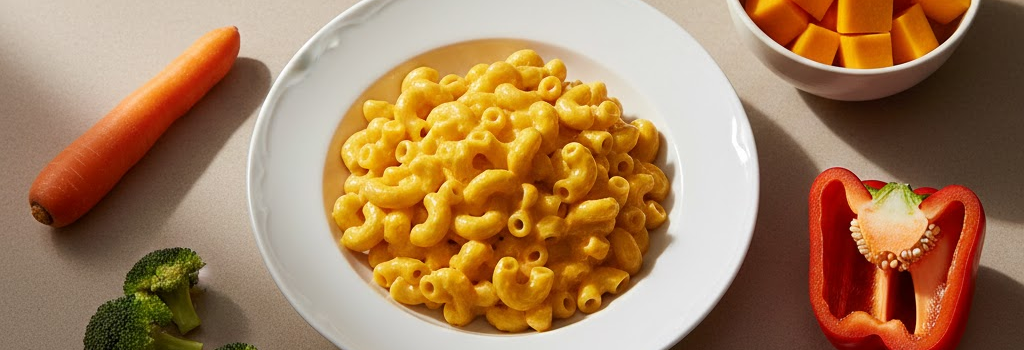
- Mac and cheese (cauliflower or butternut squash puree stirred into the cheese sauce)
- Tomato sauce (sweet potato, carrot, or zucchini puree)
- Smoothies (spinach, cauliflower, or frozen zucchini chunks)
- Pancake and waffle batter (sweet potato or pumpkin puree)
- Meatballs (pureed spinach or finely grated zucchini)
The key is starting small. Add a tablespoon of puree the first time. If they don't notice, add two tablespoons next time. Build up gradually so the taste never changes enough to trigger suspicion.
The Swap Method
Instead of hiding a vegetable inside something, replace part of an ingredient with a vegetable equivalent.
Swaps that work:
- Cauliflower rice instead of half the regular rice
- Zucchini noodles mixed with half regular pasta
- Cauliflower in place of some potatoes in mashed potatoes
- Sweet potato fries instead of regular fries
- Cauliflower pizza crust instead of regular dough
The trick is the ratio. Go 75% original, 25% vegetable swap at first. Your kid probably won't notice a small amount, and you can adjust from there.
The Cheese & Seasoning Disguise
Kids will eat almost anything covered in enough cheese or ranch. That's not a failure—it's a strategy.
Broccoli with melted cheese is one of the most successful "first vegetables" for picky eaters. The cheese makes the texture predictable and the flavor familiar. Same goes for roasted cauliflower with parmesan, or carrot sticks with ranch dip.
You're not teaching them to only eat vegetables with cheese. You're teaching them that vegetables aren't scary. The cheese comes off later.
The Shape Shift
Presentation matters more than most parents realize. The same vegetable served differently can get completely different reactions.
- Zucchini sliced into rounds and baked with cheese on top = "pizza bites"
- Cauliflower processed into small pieces and formed with cheese = "tots"
- Broccoli mixed with cheese and breadcrumbs and baked = "nuggets"
- Carrots cut into thin sticks and roasted until crispy = "fries"
When a vegetable looks like a food they already trust, half the battle is won.
Recipes That Nail This
Here are some of the most popular hidden-veggie recipes on Pickles—the ones parents say actually fool their kids:
Veggie-Packed Tomato Soup — Looks and tastes like classic tomato soup, but it's loaded with pureed carrots and other vegetables. Most kids have no idea.
Cheesy Cauliflower Tots — These look and crunch like tater tots, but they're made with cauliflower. The cheese and crispy coating do all the heavy lifting.
Broccoli Cheese Bites — Nugget-shaped, golden, cheesy. The broccoli is finely chopped and hidden inside melted cheese. Kids eat these by the handful.
Zucchini Pizza Bites — Zucchini rounds as the base with pizza sauce and melted cheese on top. The zucchini gets soft enough that it just tastes like pizza.
Turkey & Spinach Meatballs — Lean turkey meatballs with spinach blended right in. The spinach is completely invisible once cooked.
Cheese & Veggie Roll-Ups — Tortillas with melted cheese and finely chopped vegetables rolled inside. The cheese is the star, and the veggies are along for the ride.
Common Mistakes to Avoid
Don't Change Too Much at Once
If your kid loves your mac and cheese recipe, don't suddenly make it with 50% cauliflower puree, whole wheat pasta, and reduced cheese all at once. Change one thing at a time, in small amounts.
Don't Announce It
Nothing kills a hidden veggie meal faster than saying "guess what's in here!" while your kid is happily eating. If they're eating it, let them eat it. You can tell them about the vegetables later—much later—when they're more comfortable with food in general.
Don't Give Up After One Rejection
If your cauliflower mac and cheese gets rejected the first time, it might be that you used too much cauliflower, not that the technique doesn't work. Go back, reduce the amount, and try again in a week.
Don't Make It the Only Strategy
Hidden veggies are great for nutrition, but they don't teach your kid to eat vegetables. Keep offering visible vegetables alongside meals too—even if they ignore them for months. Exposure matters, even when it looks like nothing is happening.
The Big Picture
Parents on Reddit say the same thing over and over: the phase where your kid eats zero vegetables feels like it will last forever, but it usually doesn't. Most kids slowly expand their diets as they get older, especially when mealtimes stay low-pressure.
In the meantime, hidden vegetables keep you sane and keep your kid nourished. There's nothing wrong with pureeing some spinach into a smoothie on a Tuesday morning because you know for a fact that's the only green thing entering their body this week.
You're doing a good job. The fact that you're reading this means you care enough to find solutions. And the truth is, a kid who eats cauliflower tots instead of regular tots is eating cauliflower—even if they don't know it yet.
That counts.